Collagen
Collagen Creamer vs. Collagen Peptides: Easy Ways to Add Collagen to Your Day
November 4, 2026 · 5 min read
Creamer in your coffee, peptides in yogurt, oats and smoothies: simple ways to add collagen to your day, plus why collagen matters.
Flat $4.99 shipping per order.
Your bag is empty.
Shop EverAble
My morning coffee is non-negotiable. So when I started adding collagen, the first thing I wondered was whether pouring it into a hot cup was a waste. Does heat ruin collagen in coffee? I read what Cleveland Clinic says about collagen peptides and looked at a 2025 study that tested collagen in actual coffee. I'm not a doctor. Here's what I found.
If you put collagen in your coffee, you're in good company. Cleveland Clinic notes that collagen peptides are everywhere right now, stirred into coffee and blended into smoothies.
Vogue calls collagen coffees and creamers "all the rage." The appeal is simple. Most of us already have a coffee habit, so adding collagen to it is easy to remember.
Vogue is also upfront that many collagen studies are small or industry-funded. Registered dietitian Amy Shapiro tells them it's about "consistency and subtle changes not overnight transformations." I appreciated that honesty.
Still, the habit itself is a real plus. A supplement you actually take every day is more useful than one sitting in the back of the cupboard.
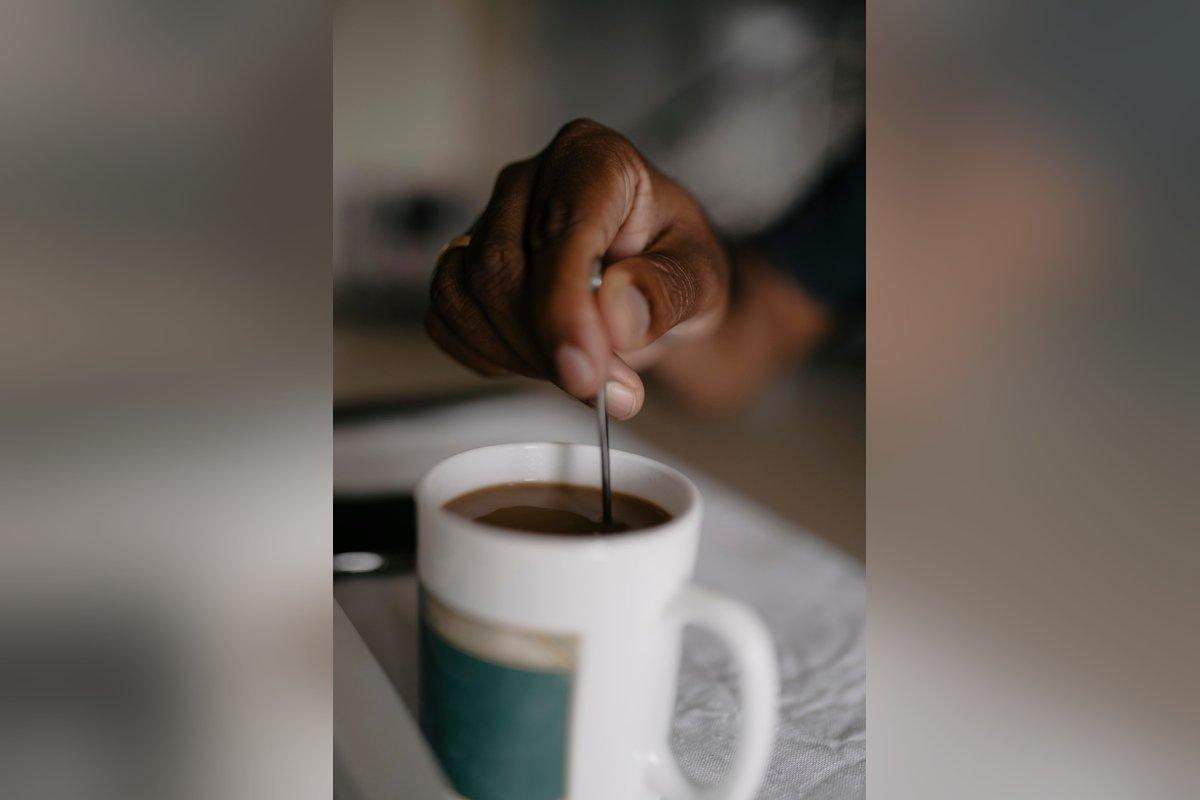
Here's the key thing to understand. The collagen in most powders isn't the same as the collagen in your body. It has already been processed into much smaller pieces.
Cleveland Clinic explains that collagen peptides, also called hydrolyzed collagen or collagen hydrolysate, are broken-down forms of collagen that are easy for your body to digest and absorb. In other words, the "breaking down" has already happened before the powder reaches your kitchen.
So what about a hot cup? A 2025 study in Food Research International tested it in people. Healthy volunteers took collagen hydrolysate dissolved in either water or coffee. Researchers then tracked what showed up in their blood over six hours.
The result: the main collagen peptides they measured were absorbed in a similar way whether people had them in coffee or water. Some individual amino acids did rise differently with coffee, so coffee isn't exactly the same as water. But the peptides held up.
The bottom line on heat: for collagen peptides, your normal cup of coffee isn't something to worry about.
There are two common ways to get collagen into your cup.
Plain collagen peptides are just collagen. Unflavored versions dissolve into coffee, tea, smoothies or even water without changing much.
A collagen creamer does two jobs at once. It usually combines collagen with other ingredients, like fats, flavor and a sweetener, so it lightens your coffee too. That makes it a handy swap if you already use creamer every morning.
Neither one is "right." It comes down to how you like your coffee:
Either way, read the label. Look at the grams of collagen or protein per serving, and how big a serving is.

This is the part that's easy to miss. Some creamers and flavored coffee drinks carry a lot of added sugar.
The FDA says the Dietary Guidelines recommend keeping calories from added sugars under 10 percent of your day. On a 2,000-calorie diet, that's about 50 grams of added sugars a day. The FDA also lists sugar-sweetened drinks among the main sources of added sugars for most Americans.
Checking is easy. Find the Added Sugars line on the Nutrition Facts label. It shows grams per serving. If you have a couple of cups a day, multiply it out.
A few simple habits help:
Heat isn't a reason to skip collagen in your coffee. Collagen peptides are already broken down, and a 2025 study found they were absorbed about the same in coffee as in water. Choose peptides or a creamer based on how you drink your coffee, read the label for grams and added sugars, and stick with it daily. As always, check with your doctor if you have a health condition or take medication.
For collagen peptides, there's no good reason to worry. They're already broken down into small pieces. A 2025 study found the key collagen peptides were absorbed about the same whether people drank them in coffee or water.
Yes. Unflavored collagen peptides mix into most hot or cold drinks, including tea, smoothies and water.
Not quite. A collagen creamer usually adds other ingredients, like fats, flavor and sweeteners, so it works as a creamer. Plain peptides are just collagen. Read the label to see what's in each.
Photos: Letícia Alvares, Charith Kodagoda and Engin Eşsiz via Pexels
Collagen
November 4, 2026 · 5 min read
Creamer in your coffee, peptides in yogurt, oats and smoothies: simple ways to add collagen to your day, plus why collagen matters.

Collagen
November 5, 2026 · 4 min read
How much collagen per day studies used (about 2.5 to 15 g), why grams beat scoops, and why steady daily use matters more than a big dose.

Collagen
October 31, 2026 · 6 min read
What collagen peptides are, what a 2026 review of 113 trials found, and how to read a label. Plain, cited, no hype.