What's the Deal With Probiotics? A Plain Guide

Probiotics are in yogurt, in kombucha, in capsules by the pharmacy counter, and all over my social feeds. So what are probiotics, really, and are they worth your money? I'm not a doctor, so I went to the sources that explain the research for the rest of us. Here's what I found, including the parts the marketing tends to leave out.
What probiotics are

Probiotics are live microorganisms, mostly bacteria and some yeasts, that can have a benefit when you take them in a large enough amount. That's close to how the NIH Office of Dietary Supplements defines them. They mainly do their work in the digestive tract.
Your body already hosts trillions of microbes, most of them in your gut. Cleveland Clinic describes probiotics as a way to add helpful types to the communities that already live there.
The part I wish I'd learned sooner: probiotics have three-part names. NIH's example is Lacticaseibacillus rhamnosus GG. The first word is the genus, the second is the species, and the letters or numbers at the end are the strain. That last part matters, because different strains can behave very differently in the body. Two products that both say "Lactobacillus" may not be comparable at all.
What the evidence shows
This is where it gets honest. The research is real, but it's narrower than the hype.
- Some strains have shown benefits in specific situations. NIH summarizes studies where certain strains helped in particular circumstances, such as when someone is taking antibiotics (more on that below). Those findings are tied to specific strains, doses and conditions, so they don't transfer to every product on the shelf.
- Results vary from person to person. Even in studies that found a benefit, not everyone responded the same way, and some studies of the same question found no effect.
- Healthy people have the thinnest evidence. NIH states plainly that there are no official recommendations for probiotic use by healthy people. Gastroenterologist Trisha Pasricha, writing in The Washington Post, goes further: she says most people who take probiotics are wasting their money, and she points to a fiber-rich diet as the better daily habit for gut microbes.
- They're generally well tolerated. NIH notes probiotics have been used safely in foods and supplements for decades, and in healthy people they may cause some gas. They aren't right for everyone, though. People who are seriously ill or have weakened immune systems should talk with their doctor first.
My fair summary: a probiotic can support digestive health as part of a routine, the benefits depend heavily on the strain and dose, and it isn't a cure for anything.
What's still unclear
- Which strains, for whom. Researchers are still working out which strains help which people, and why some people respond and others don't.
- The right dose. Labels list CFU (colony-forming units), the count of live microbes. NIH says a higher CFU count alone doesn't mean a greater benefit. The strain and the amount work together.
- How long they stay. Many studies use daily intake. Whether the microbes settle in, and for how long, is still being studied.
- The gut-everything connection. Cleveland Clinic notes researchers are exploring links between the gut and mood, immunity and metabolism, but there isn't enough evidence yet to draw solid conclusions. I'd be wary of any product that talks as if there were.
The gut-brain connection
Your gut and brain talk constantly, mostly through the vagus nerve. Harvard Health notes that about 90% of the body's serotonin, a chemical linked to mood, is made in the digestive tract. That has led scientists to ask whether probiotics could affect how we feel. In one small study, women who ate a probiotic yogurt for four weeks reacted more calmly to stressful images. But when researchers pooled 54 placebo-controlled trials, most probiotics didn't change mood, stress or anxiety, and the small improvements they did find may not matter much in daily life. It's a fascinating area, and it remains unproven.
Food vs capsules
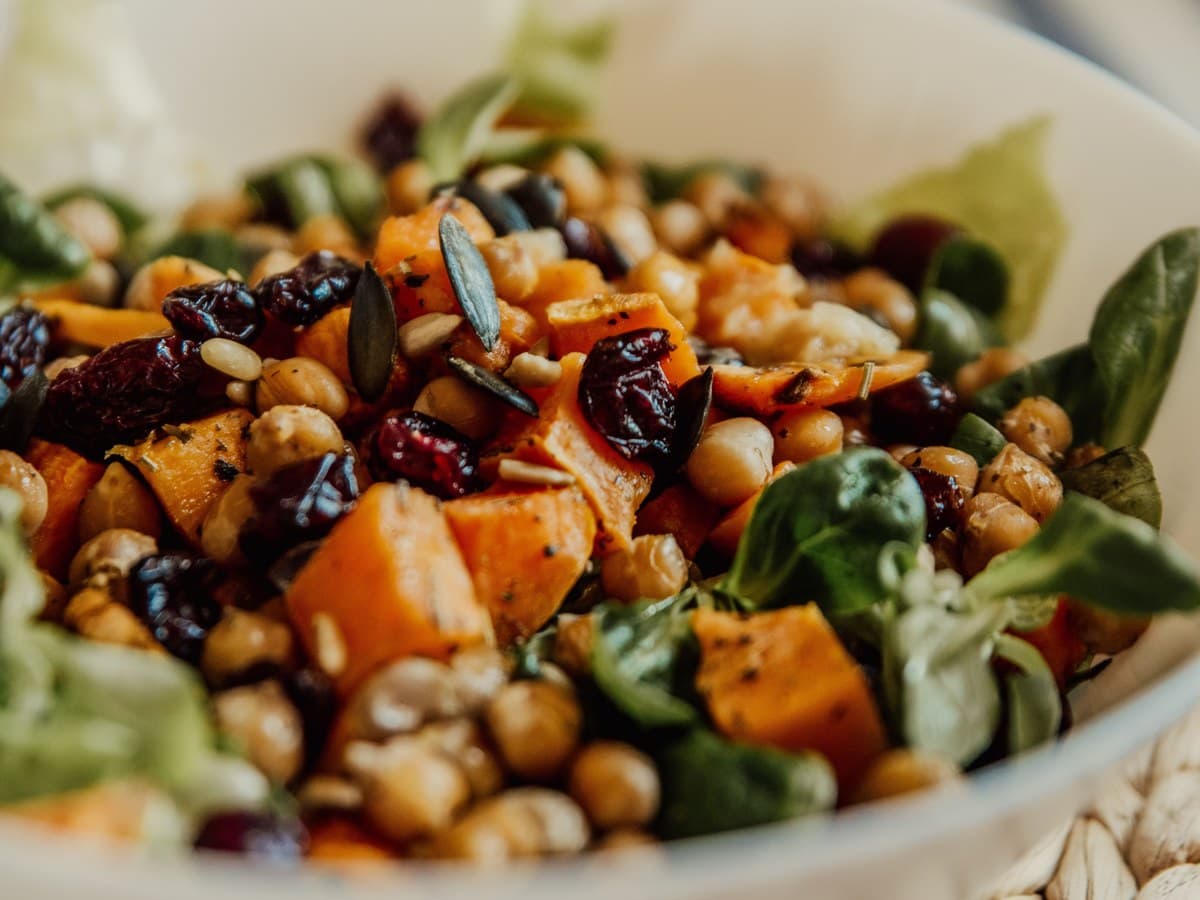
You can get live microbes from food. Yogurt and kefir with "live and active cultures," sauerkraut, kimchi, miso and kombucha are common options. One catch from NIH: fermented foods are made with microbes, but that doesn't automatically mean they contain probiotics with proven benefits. Some processing, like baking or heat treatment, kills the live cultures.
Food has a bonus, though. Cleveland Clinic points out that food sources may support a broader range of microbes, and plant foods bring fiber, which feeds the bacteria already living in your gut. That's the same point Dr. Pasricha makes in the Post.
Capsules usually deliver a larger, measured amount of specific strains. Some people like that predictability. For me, it isn't food or capsules. It's a fiber-rich plate first, with a supplement as an optional extra if it fits your routine.
If you're taking antibiotics
This is the best-supported everyday use. NIH's fact sheet for health professionals says that starting certain specific strains (Lacticaseibacillus rhamnosus GG or Saccharomyces boulardii) within two days of an antibiotic may lower the chance of antibiotic-related diarrhea in adults 18 to 64. The benefit wasn't seen in adults over 65. It depends on the strain, so ask your doctor or pharmacist which one, if any, makes sense for you.
How to choose
If you decide to try a probiotic supplement, these are the questions I'd ask:
- Are the strains named? Look for full names (genus, species and strain), not just "probiotic blend."
- What's the CFU count, and when was it measured? Some labels give the CFU at the time of manufacture, and others give it through the expiration date. NIH notes that live counts can decline over time, so check the date.
- How should it be stored? Some probiotics need the fridge and others are shelf-stable. Follow the label.
- What else is in it? Check for allergens and fillers if those matter to you.
- Who made it, and where? Supplements aren't approved by the FDA before they're sold, so the maker's standards matter.
Give any new routine a few weeks of consistent use, notice how you feel, and stop if it doesn't agree with you. Strains and doses matter, and results vary, so what works for a friend may not work for you.
The bottom line
Probiotics are real, living microbes, and some strains have research behind them for specific uses. They aren't magic, and they don't replace fiber, water, sleep and movement. If you want to try one, pick a product with named strains and a clear CFU count, take it consistently, and check with your doctor if you have a health condition or take medication.
Questions
Do probiotics work?
Results depend on the strain, the dose and the person. Research is still developing, and probiotics are not a cure-all.
Should I take probiotics every day?
Studies usually use daily intake, and many labels say to take them daily. Ask your doctor if you have a health condition.
Is a higher CFU number better?
Not necessarily. NIH notes that a higher CFU count alone doesn't mean more benefit; the specific strains matter too.
Sources
- Probiotics: Fact Sheet for Consumers — NIH Office of Dietary Supplements, November 17, 2025
- Probiotics — Cleveland Clinic, October 30, 2023
- Probiotics are often a waste of money. Try a fiber-rich diet instead. — The Washington Post (Trisha Pasricha, MD), March 10, 2025
- Probiotics: Fact Sheet for Health Professionals — NIH Office of Dietary Supplements, March 25, 2025
- Probiotics may help boost mood and cognitive function — Harvard Health Publishing
- Effect of Probiotics on Psychiatric Symptoms and Central Nervous System Functions in Human Health and Disease: A Systematic Review and Meta-Analysis (Le Morvan de Sequeira et al.) — Nutrients, January 30, 2022
Photos: Pexels (Alicia Harper; RDNE Stock project; Alesia Kozik)