Creatine
Creatine for Women Over 40: What the Research Says
October 30, 2026 · 6 min read
Why women's creatine stores differ, what 3–5 g a day studies show, and how to read a creatine label. Plain, cited, no hype.
Flat $4.99 shipping per order.
Your bag is empty.
Shop EverAble
Electrolyte powders have gone from marathon tents to kitchen counters. Friends of mine stir one into their water every morning, "just in case." So do you need electrolytes every day, or is that mostly marketing? I'm not a doctor, so I read what physiologists and clinicians say. The short answer surprised me a little: usually not, but there are everyday situations, many of them far from a hard workout, where they really do help.
Electrolytes are minerals, like sodium, potassium, magnesium and chloride, that help your body keep its fluids in balance. Cleveland Clinic explains that your cells use them to make muscles contract and to move fluid in and out of cells. An adult body is roughly 60% water, so electrolytes are at work all day long.
Sodium does the most for hydration. In TIME's deep dive, exercise scientist Craig Horswill describes sodium helping pull water into your bloodstream and tissues. Another expert there notes that a little sodium also helps keep you wanting to drink.
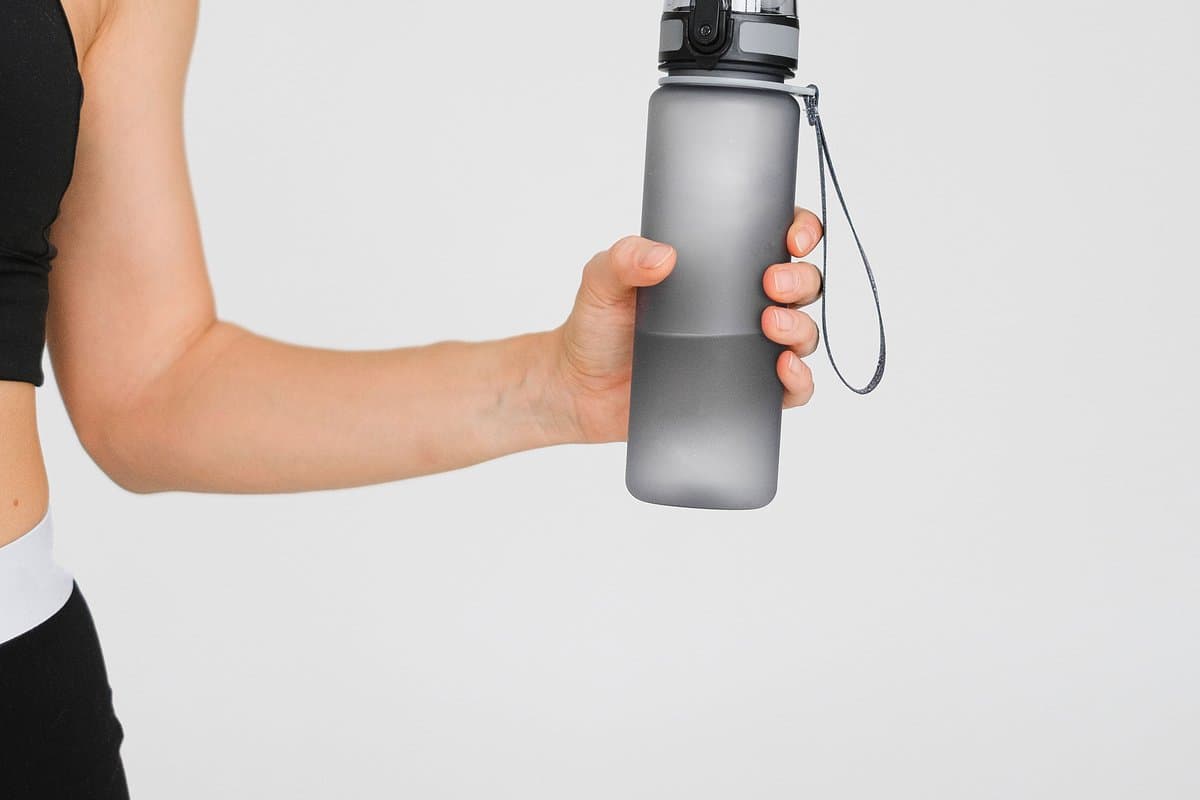
On most ordinary days, the experts in TIME are relaxed about it. Food is full of electrolytes, and light sweat doesn't carry many out. Physiologist Mindy Millard-Stafford puts it simply: unless you're losing a lot through illness or heavy, long sweating, a healthy diet replaces most of what you lose.
For shorter activity, around 30 minutes to an hour, researcher Stavros Kavouras says your levels won't change much and regular meals will cover you. That's most of my days: a walk around the neighborhood, a stretching or yoga session, light strength work.
Two more reasons daily packets may be overkill. TIME notes the recommended limit is up to 2,300 mg of sodium a day, while the average American takes in about 3,400 mg. And your morning coffee counts: moderate caffeine, under about 400 mg a day, hydrates about as well as water.

Here's what changed my thinking. Hydration doesn't only matter for intense workouts. It matters for long, easy days outdoors, and a lot of the things many of us love fall into that group:
None of these feels like "exercise," but they can add up to hours of light sweating. The experts in TIME say that after about two hours in hot conditions, you need to start replacing electrolytes, and that drinking only water for that long can dilute the blood. Kavouras says that beyond two or three hours of activity, electrolyte balance starts to be an issue, and that salting your food a bit more can also help. TIME also notes that CDC guidance for people working in heat stresses regular fluids and electrolytes, which can come from meals and snacks, not only from sports drinks.
Horswill adds that as your body adapts to heat it holds on to sodium better, so early in a hot season you may lose more.
Some people simply lose more salt. TIME reports that sodium in sweat ranges from about 200 to 1,800 mg per liter, and one study found about 20% of runners were "salty sweaters." A simple check from the article: pale yellow urine generally points to good hydration.
This is the big reason many people reach for electrolytes, and the honest answer is "sometimes, maybe."
In real heat, it can help. Cleveland Clinic explains that when you sweat a lot and drink large amounts of plain water, you can dilute the salts in your body, which can lead to heat cramps. Its advice: a snack or sports drink, cooling down, and gently stretching the muscle.
For everyday exercise cramps, the research points somewhere else. In a study of 210 Ironman triathletes, the people who cramped had the same blood electrolyte levels as those who didn't. Going faster, and having cramped before, predicted cramps better. A study of ultramarathon runners also found that taking in more sodium didn't prevent cramping.
So electrolytes may help on long, sweaty days in the heat, but they're not a sure fix for cramps. If you get cramps often, or they're severe, talk with your doctor.
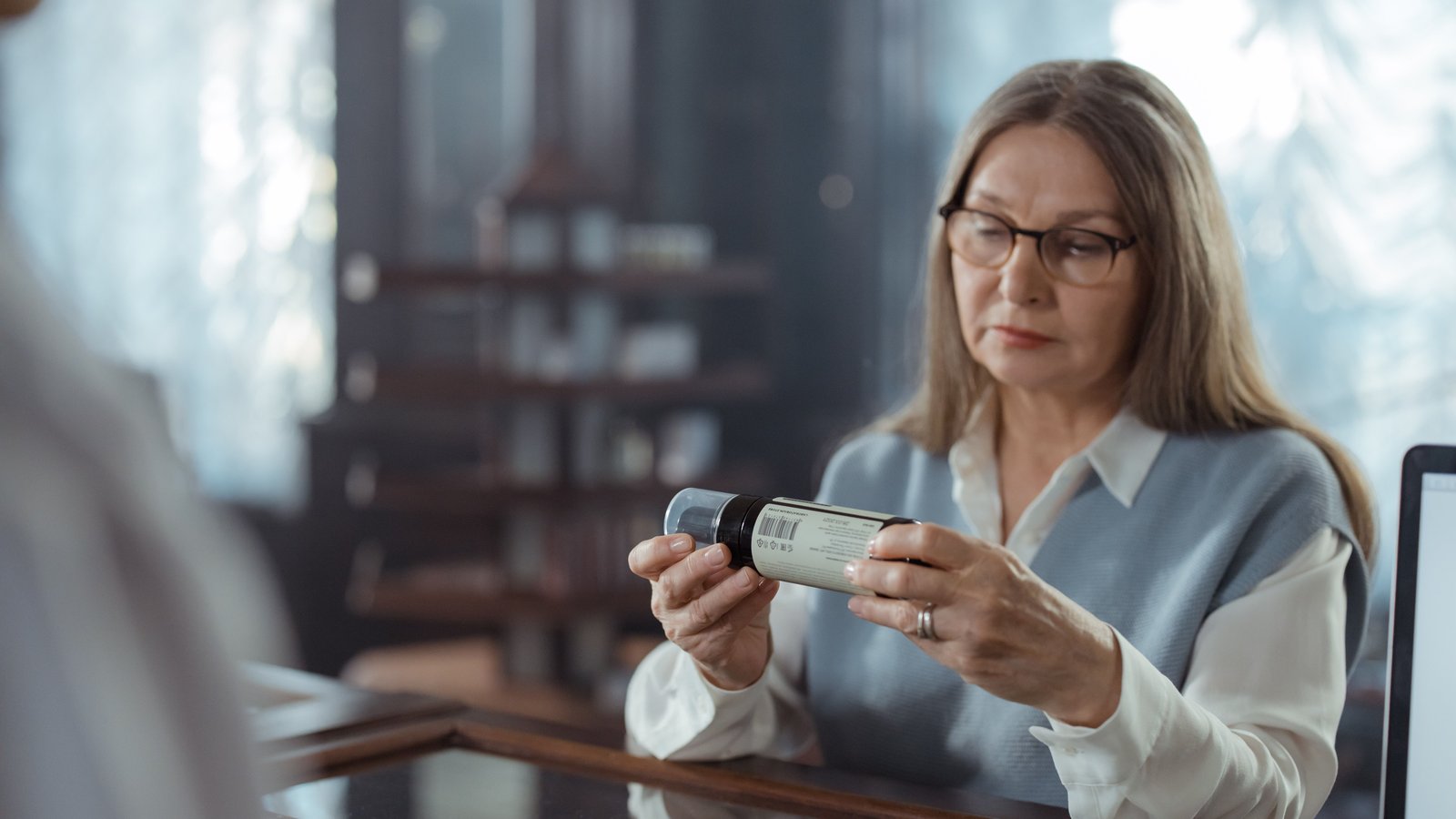
If you reach for a product, the label tells you more than the marketing:
Most days, water and a normal diet cover your electrolytes. They matter most when you spend hours outside sweating, even at an easy pace: a long garden day, a round of golf, a warm-weather hike or a big day of walking. In those moments, replacing electrolytes alongside water makes sense. Match the product to the situation, read the label for sodium and sugar, and check with your doctor if you watch your salt intake.
For many people, water and food cover it. Long hours outdoors in the heat, heavy sweating, or activities that run two hours or more are when added electrolytes matter most.
Sodium, potassium, chloride and magnesium are the ones you'll see on most labels. Sodium is the key one for hydration.
Sometimes, maybe. They may help with heat cramps after heavy sweating, but studies of athletes found everyday exercise cramps weren't tied to low electrolytes. See your doctor if cramps are frequent or severe.
Yes, especially sodium if you have high blood pressure, and very high potassium can be dangerous. Ask your doctor if you have a heart, kidney or blood pressure condition.
Photos: Natalia Khomenko, SHVETS production and Rainer Eck Photography via Pexels
Creatine
October 30, 2026 · 6 min read
Why women's creatine stores differ, what 3–5 g a day studies show, and how to read a creatine label. Plain, cited, no hype.
Creatine
November 8, 2026 · 4 min read
Creatine myths checked against research: who creatine is for, whether you need to load, and what studies say about hair loss and water weight.