
Probiotic
What's the Deal With Probiotics? A Plain Guide
November 1, 2026 · 6 min read
What probiotics are, what the evidence shows, what's still unclear, and how to choose one without the hype.
Flat $4.99 shipping per order.
Your bag is empty.
Shop EverAble
When people talk about gut health, they usually jump to probiotics. But the more I read, the more I kept coming back to something far less exciting: fiber. Fiber and gut health go hand in hand, and most of us don't eat enough of it. I'm not a doctor, so I leaned on Harvard, Mayo Clinic and NIH. Here's the plain version, with easy ways to get more.
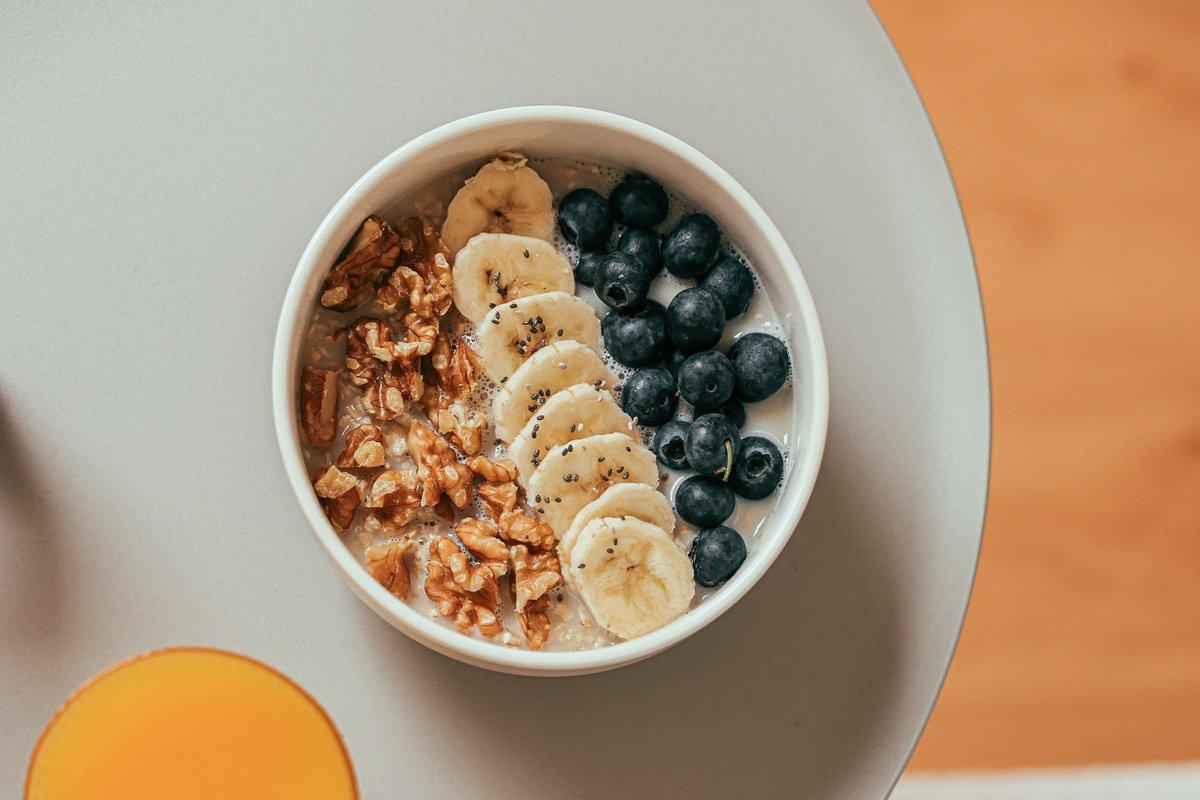
Fiber is the part of plant foods your body can't digest. Instead of being broken down, it travels through to your gut. That's where the interesting part happens.
Your gut is home to trillions of bacteria, often called your microbiome. Harvard's Nutrition Source explains that some fibers are "fermentable," meaning they act as food for those gut bacteria. These fibers are sometimes called prebiotics. Harvard says this can help promote healthy colonies of bacteria.
There are two main kinds, and you want both:
Mayo Clinic adds that high-fiber foods tend to be more filling, so you stay satisfied longer.
Here are the daily targets Mayo Clinic lists from the National Academy of Medicine:
Harvard gives a broader target of 25 to 35 grams a day for adults. And here's the eye-opener: Harvard says most Americans get only about 15 grams a day. So many of us are getting about half of what we need.
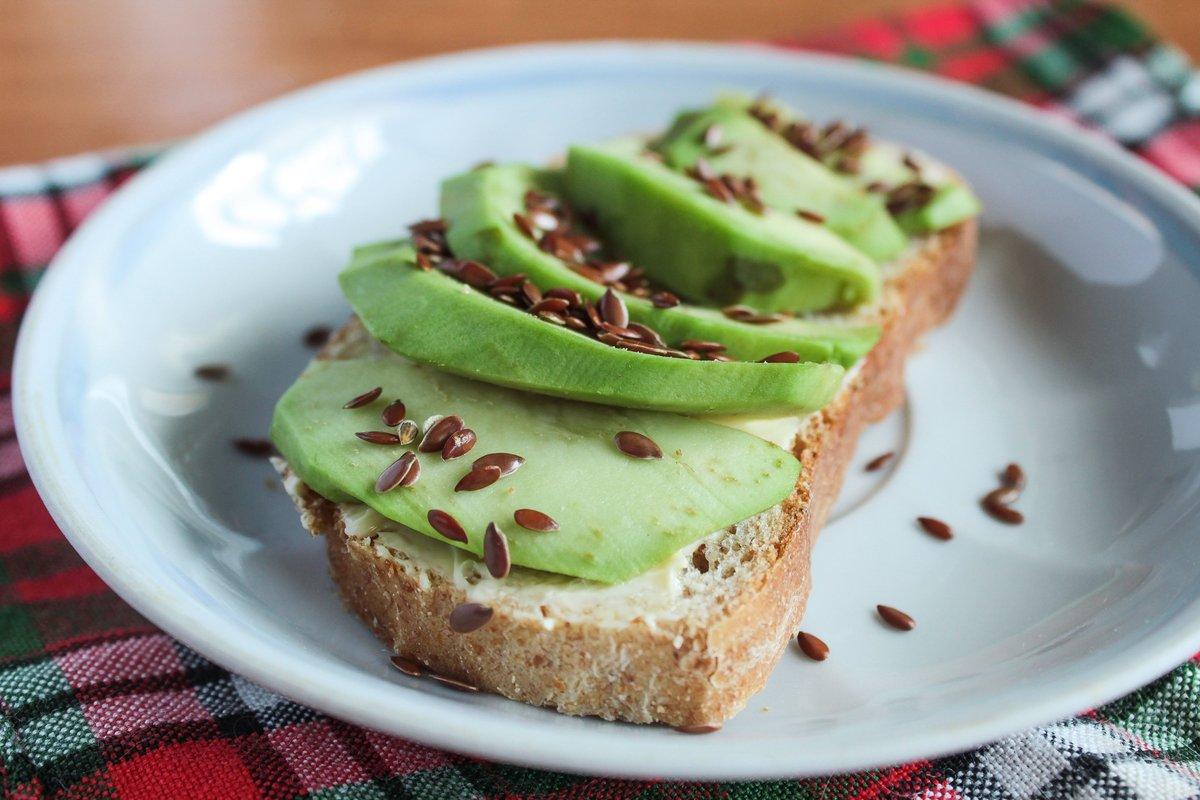
You don't need a whole new diet. Small swaps add up fast. Here are a few from Harvard and Mayo Clinic that are easy to try this week:
One important tip: go slow. Mayo Clinic warns that adding a lot of fiber too quickly can cause gas, bloating and cramping. Add a little more over a few weeks and drink plenty of water, since fiber works best when it soaks up fluid.
It's easy to mix these up. Probiotics are live microbes, the "good bacteria." Prebiotic fibers are food for the bacteria you already have.
The NIH Office of Dietary Supplements notes that research on probiotics is still developing, and the effects can depend on the specific strain. Fiber, on the other hand, is something nearly every health source agrees we should eat more of.
So I think of it this way: fiber is the everyday foundation. Probiotics are an optional extra some people choose to add. Both work in the same neighborhood, but fiber from food comes first.
Fiber's benefits reach beyond the gut. Harvard notes that eating plenty of fiber is linked with lower rates of several common health problems, including heart disease and type 2 diabetes. Researchers think fiber's role in the microbiome may be part of the reason, though that's still being studied.
That's a link seen in large studies, not a promise for any one person. And some people, like those with certain digestive conditions or recovering from surgery, may be told to eat less fiber for a time. If that's you, follow your doctor's advice.
Fiber feeds the helpful bacteria in your gut, keeps things moving, and helps you feel full. Most women need about 21 to 25 grams a day, and many of us get far less. Start small: whole fruit, whole grains, beans, nuts and seeds. Add it slowly, drink water, and check with your doctor before big changes if you have a digestive condition.
The National Academy of Medicine, as summarized by Mayo Clinic, suggests about 25 g a day for women 50 or younger and 21 g for women over 50. Harvard's Nutrition Source gives a broader 25 to 35 g target for adults.
No. Probiotics are live microbes. Some fibers are prebiotics, which means they're food for the gut bacteria you already have.
Yes. Adding a lot at once can cause gas, bloating and cramping. Add it slowly over a few weeks and drink plenty of water.
Photos: RDNE Stock project, Cup of Couple and Elen Zemskova via Pexels
Probiotic
November 1, 2026 · 6 min read
What probiotics are, what the evidence shows, what's still unclear, and how to choose one without the hype.

Magnesium
November 2, 2026 · 5 min read
What magnesium does for you, what research says about sleep, the everyday foods that have it, and where a supplement can fill the gap. Plain and cited.
Collagen
November 5, 2026 · 4 min read
How much collagen per day studies used (about 2.5 to 15 g), why grams beat scoops, and why steady daily use matters more than a big dose.